Soft Signs of Healing

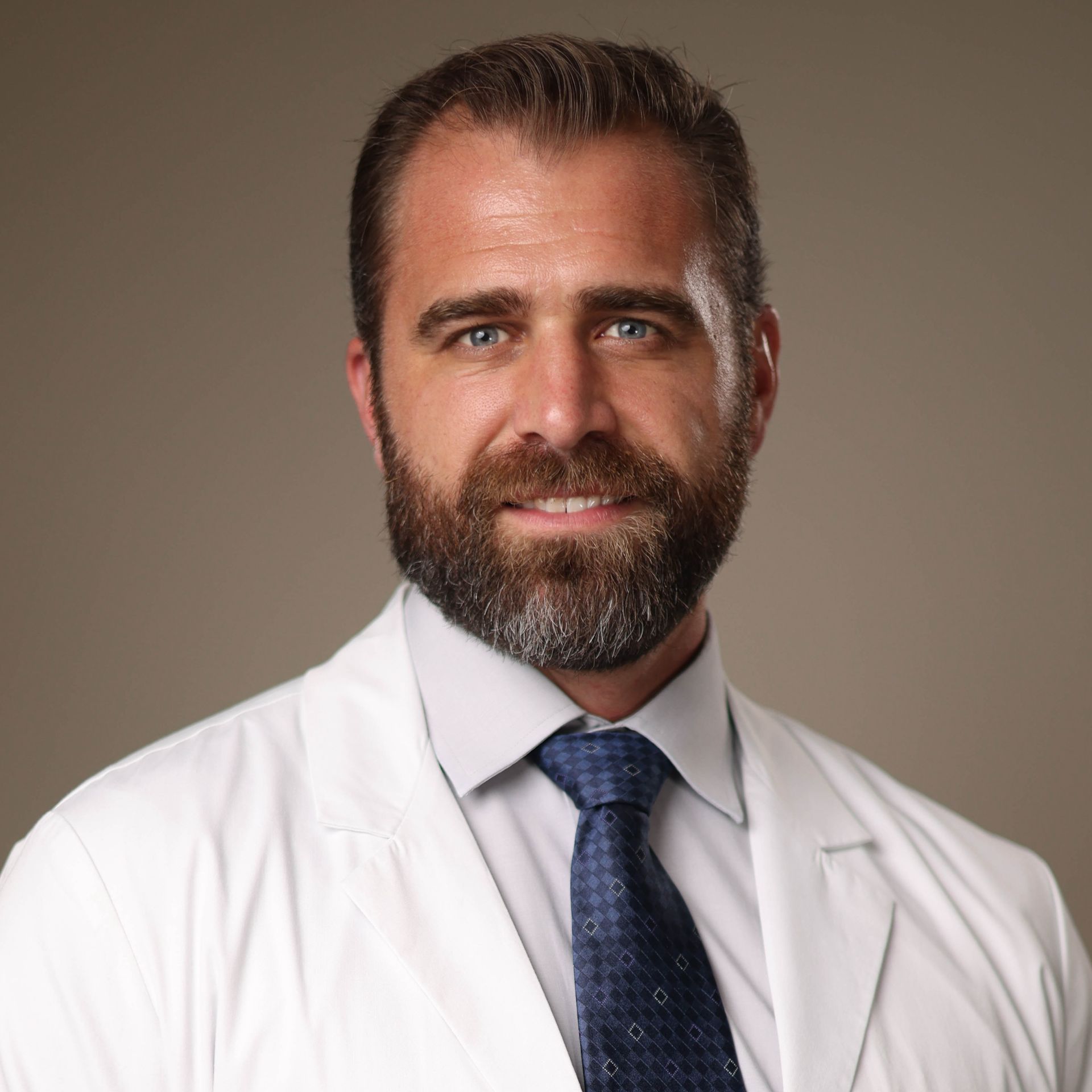
Dr. Ethan Surprenant, D.C. • May 5, 2026

Doc, after the adjustment, what can we expect?


When your child is struggling with serious health issues like anxiety, ADHD, chronic illness, and missed milestones, it makes sense that at the start of care plan, you as a parent are caught in the crossroads of knowing healing takes time, wanting immediate results, and being curious about what their child's healing process will look like.


Parents understandably look for the big breakthroughs like less seizures, decreased migraines, better focus, and improve communication. Those changes matter, and they do come. But neurological healing starts with foundational shifts that happen beneath the surface first.


Upper cervical care addresses the root cause of nervous system dysfunction — the misalignment at the craniocervical junction that disrupts brainstem function, dysregulates the autonomic nervous system, and sets off a cascade of symptoms that often look unrelated. As that alignment is restored and stabilized, and the nervous system begins to rebalance, early signs emerge that tell us the body is moving in the right direction.


Learning to recognize those neurologic soft signs will change how you experience this process — and help you stay the course when the big changes haven’t arrived yet.


What Are Neurological Soft Signs of Healing?


Soft signs are the early, subtle shifts that tell us the nervous system is beginning to reorganize and regulate.


They are not always the dramatic breakthroughs parents are hoping for, but they act like a window into the body's healing process.


Think of it like building a skyscraper. You don’t start with the roof. you start by digging a deep foundation. Then move to the framing, the wiring, and the plumbing. None of it looks impressive in the early stages. But without it, nothing else holds.


Here are the soft signs to look for in children under upper cervical care:


  • Better sleep. Deeper, easier, more restful and rejuvenating sleep. Your child may seem more tired initially if their body is recovering from years of sleep debt. But once they've paid that off, they wake up more rested, feel more alert, and might even get to sleep faster when it's bedtime. Sleep is when the nervous system repairs and resets. When it improves, everything else has a better chance.


  • Improved digestion and bowel regularity. The gut and the nervous system are directly connected through the Vagus nerve, which runs right through the craniocervical region. As alignment holds, improved digestion often follows: chronic constipation eases, diarrhea solidifies, reflux settles. Less medications for digestion end up being needed over the long run.


  • Reduced sensory sensitivity. Things that used to send your child over the edge and launch into meltdowns (loud sounds, certain textures, haircuts, brushing teeth) start to become more manageable. The nervous system is reading the world more accurately instead of treating normal input as a threat. Their capacity to handle the environments of the day grows.


  • Better posture and muscle tone. Chronic upper cervical misalignment creates compensatory tension throughout the whole body. Muscles controlled by nerves receive incorrect signals and poor, uncoordinated posture is the result. When the correction holds, that tension releases. The head position shifts, allowing the shoulders to relax, restoring proper back muscle tone, then the body moves more freely.


  • Calmer, more regulated behavior. It is much easier to handle transitions in the day-to-day when the nervous system is more regulated. Easy transitions is a clear sign of a highly adaptable child. When holding their correction and in proper alignment, your child will likely begin to show more emotional regulation, feel less anxieties, and keep more focused in therapy sessions.


  • Fewer and less severe illnesses. The immune system is closely linked to the function of the nervous system. In the initial phases of care, a better neurologic connection can begin an immune detox as healing begins, but then follow with less severe immune issues, less frequent sicknesses, and even faster recovery even when every other child around is getting and staying sick.


Why Are Soft Signs Important?


If you didn't notice, each of those functions listed above are under automatic control. The body handles sleep, digestion, immune function without us thinking about it. If they are dysregulated or if they are working well, if gives us a window into how the overall body is functioning.


When your child starts care for a complex issue — chronic infections, sensory processing challenges, ADHD, anxiety — soft signs give you something real to track while the deeper work is happening. They reveal the deeper, brain-based, central and autonomic nervous system progress. Improvement in the soft signs can help you, the parent, feel confident that your child is progressing.


How Upper Cervical Care Supports Healing


At Cerebral, our focus is the craniocervical junction — where the skull meets the top of the spine. This is where the brainstem lives, where the Vagus nerve exits the skull, and where the brain receives blood supply.


When the top two bones of the neck are misaligned, that communication gets disrupted. The nervous system gets stuck in a stress state — running hot, always on alert, unable to shift into the rest-and-regulate mode that children need to grow, heal, and develop.


Upper cervical adjustments restore alignment at that junction. When the brainstem is free from mechanical interference, the nervous system can begin to regulate the way it was designed to. Sleep, digestion, immune response, sensory processing, and behavior all depend on that regulation.


The adjustment itself is gentle and precise. We use Advanced Orthogonal technique — a sound-wave instrument delivers a very specific correction based on your child’s individual X-rays. Our goal is to restore alignment, allow the nervous system to stabilize, and help the body learn to hold that correction on its own.


Where Does Other Care Come In?


Many children who come to us have already received, or are in the process of receiving, other therapies — occupational therapy, speech therapy, behavioral interventions, or various neurological treatments. They might even have hit a frustrating roadblock to that care.


Those therapies are crucial and we support a team approach to your child’s care, but there is an important principle that shapes how we think about collaborative care: upper cervical should precede or operate in tandem to them.


Sleep, digestion, immune function, sensory processing, and basic motor coordination are foundational. They have to stabilize before more targeted brain-based work can take full effect. When higher-level interventions are layered in without the foundation of neurologic clarity, the results are often inconsistent — and in some cases, children temporarily get worse before they get better.


Upper cervical care addresses the root of the system — the craniocervical junction, the brainstem, the autonomic nervous system. When that foundation is in place and the soft signs are trending in the right direction, other therapies tend to work better and produce more lasting results. If your child is receiving other care alongside their upper cervical care, let us know. We want to help you sequence things in a way that gives your child the best chance.


What to Expect as Healing Continues


Healing is not linear, there will be good weeks and harder ones. What you are watching for is a trend: more good days than bad, soft signs stacking up over time, fewer flare-ups and meltdowns, faster recovery when setbacks happen.


As care progresses, the changes become less subtle. Parents begin to report things like:


  • Improved focus and performance at school
  • Greater physical coordination and confidence in sports
  • Better emotional stability and stronger peer relationships
  • Fewer visits to the pediatrician for infections
  • A child who genuinely feels better and can tell you so


Each of these is built on the soft signs that came before. One step at a time, the nervous system moves from chronic stress toward genuine regulation. Keep a simple mental note — or write it down — of the small changes you see each week. Bring those observations to your child’s visits. That feedback shapes how we manage care and helps us recognize when the next phase of healing is beginning.


Trust the Process of Healing


Every parent wants to see big results as quickly as possible. That desire makes complete sense. You have watched your child struggle, and you are ready for it to change.


But healing that lasts is healing that is built correctly.


The upper cervical spine is where the brain meets the body. When that connection is clear and the nervous system can regulate the way it was designed to, children adapt, grow, and heal in ways that often exceed what parents thought was possible.


Soft signs are not small wins to brush past. They are evidence that the foundation is going in. Everything you are ultimately hoping to see — better focus, better behavior, better health, a child who thrives — grows from that foundation.


Stay the course. Watch for the small changes. Ask us your questions at every visit.


Your child deserves a nervous system that functions optimally. We are glad you are here.


Have questions about your child’s progress or if you're wanting to get your child started?


Call us at (727) 677-0001 so we can help your family.


Related Reading


The following research informed the clinical concepts discussed in this article:


  • Most Newborns Had Spinal Dysfunction at Birth, Regardless of Method of Delivery

Waddington EL, Snider KT, Lockwood MD, Pazdernik VK. Incidence of somatic dysfunction in healthy newborns. J Am Osteopath Assoc. 2015 Nov;115(11):654–65. doi: 10.7556/jaoa.2015.136. PMID: 26501758.

  • The Part of the Brain Nobody Talks About May Be the Key to Understanding Autism

Wang SS, Kloth AD, Badura A. The cerebellum, sensitive periods, and autism. Neuron. 2014 Aug 6;83(3):518–32. doi: 10.1016/j.neuron.2014.07.016. PMID: 25102558.

  • Science Finally Explains Why Sensory Kids Are Wired Differently — It’s Not Behavioral

Schaaf RC, Benevides T, Blanche EI, Brett-Green BA, Burke JP, Cohn ES, Koomar J, Lane SJ, Miller LJ, May-Benson TA, Parham D, Reynolds S, Schoen SA. Parasympathetic functions in children with sensory processing disorder. Front Integr Neurosci. 2010 Mar 9;4:4. doi: 10.3389/fnint.2010.00004. PMID: 20300470.

  • Your Child’s Gut Problems and Mood Swings May Have the Same Root Cause

Breit S, Kupferberg A, Rogler G, Hasler G. Vagus nerve as modulator of the brain-gut axis in psychiatric and inflammatory disorders. Front Psychiatry. 2018 Mar 13;9:44. doi: 10.3389/fpsyt.2018.00044. PMID: 29593576.

  • The Nerve That Controls Your Child’s Immune System Runs Right Through the Upper Neck

Matteoli G, Boeckxstaens GE. The vagal innervation of the gut and immune homeostasis. Gut. 2013 Aug;62(8):1214–22. doi: 10.1136/gutjnl-2012-302550. Epub 2012 Sep 29. PMID: 23023166.

More Articles

By Dr. Ethan Surprenant, DC April 13, 2026
Is your child hyperactive or sensory seeking? Discover how proprioception, vestibular function, and the upper neck influence behavior and attention.
By Dr. Ethan Surprenant, DC April 11, 2026
Clinical Care for Your Kids As parents, we all want to give our kids the best foundation for health. We work on bedtime routines, plan healthy meals, limit screen time, and encourage outdoor play. These daily habits matter, but without a clear brain-body connection, your child’s nervous system may not be able to fully benefit from those efforts. The Limits of Good Habits Think of it this way: if your child is struggling with poor sleep, frequent colds, or digestive issues, you might try adjusting their diet, creating a new bedtime, or giving a variety of multivitamins. Those are smart choices, but if their nervous system is disrupted, it’s like pouring water into a cup with a crack—it leaks out before it can be fully used. Every function of your child’s body—from breathing and digestion to focus and emotional balance—depends on clear neurologic communication. If that communication is blocked or scrambled by a misalignment in the spine, the body can’t coordinate all the healthy habits you’re working so hard to build. When to Consider Clinical Help Some signs that at-home habits alone may not be enough include: Infants : Trouble latching, frequent colic, infrequent pooping. Toddlers : Speech delays, poor sleep, frequent infections. Early Childhood : Chronic fatigue, emotional outbursts, social withdrawal. School-Age Children : Posture issues, difficulty focusing, scoliosis, persistent illness. Teens : Ongoing exhaustion, emotional instability, signs of depression. These challenges often point to neurologic interference that needs more than routine changes at home. Why Upper Cervical Care Makes the Difference At Cerebral Chiropractic Center , we specialize in a form of chiropractic care that looks beyond general spine health. We focus on the upper cervical spine—the atlas (C1) and axis (C2)—which protect the brainstem. The brainstem regulates nearly every automatic function in the body, from digestion to sleep to emotional regulation. When these structures are misaligned, it creates interference in the brain-body connection. By restoring alignment, we make it possible for the nervous system to clearly coordinate all the healthy habits you’re already working on at home. That’s the difference between simply stacking blocks and building a tower that stays upright. Building Health That Lasts At-home habits—nutrition, sleep, play, family rhythms—lay an important foundation. But if your child’s nervous system isn’t functioning clearly, those habits can’t be fully integrated. Addressing the neurologic connection first gives the body the ability to process, absorb, and benefit from everything else you do as a parent. Related Articles: Alcantara J, Ohm J, Kunz D. The safety and effectiveness of pediatric chiropractic: A survey of chiropractors and parents in a practice-based research network. Explore (NY) . 2009;5(5):290-295. doi:10.1016/j.explore.2009.06.002. Haavik H. Research. Heidi Haavik Research. Available from: https://www.heidihaavik.com/pages/research . Lelic D, Niazi IK, Holt K, Jochumsen M, Dremstrup K, Yielder P, Murphy B, Drewes AM, Haavik H. Manipulation of dysfunctional spinal joints affects sensorimotor integration in the prefrontal cortex: A brain source localization study. Neural Plast . 2016;2016:3704964. doi:10.1155/2016/3704964. PMID: 27069632; PMCID: PMC4819015. Pozzi F, Snider-Adler M, Brem J. Dysautonomia after pediatric brain injury. PM R . 2012;4(8):624-628. doi:10.1016/j.pmrj.2012.05.010. PMID: 22920328; PMCID: PMC3393822. Zhang J, Dean D, Nosco D, Strathopulos D, Floros M. Effect of chiropractic care on heart rate variability and pain in a multisite clinical study. J Manipulative Physiol Ther . 2006;29(4):267-274. doi:10.1016/j.jmpt.2006.03.005. PMID: 16690380.
By Dr. Ethan Surprenant, DC April 9, 2026
Blood Volume in POTS If you’ve ever watered a garden with a hose, you know two things matter: how much water is flowing, and whether the hose is kinked. The same is true for patients with Postural Orthostatic Tachycardia Syndrome (POTS). Why Hydration Alone Isn’t Enough Most of us know that drinking water is important. But here’s the key: hydration isn’t just about fluid intake — it’s about fluid retention. If you drink water and your body immediately flushes it out, blood volume doesn’t actually increase. But when you pair water with electrolytes — especially salt — your body can hold on to that fluid. This is what allows blood vessels to carry the right amount of volume to your brain and throughout your body. Think of it like turning up the hose so the garden actually gets watered. How Much Salt and Water Do POTS Patients Need? For the average person, the recommended daily sodium intake is about 2,300 mg (roughly one teaspoon of salt). That’s usually enough to keep energy steady, hydration balanced, and nerves firing properly. But for people with POTS, the demands are higher. Because their bodies struggle to push blood to the brain and keep circulation steady, they often need 3,000 to 10,000 mg of sodium daily — along with 2–3 liters of water. Some may feel well with 3,000 mg. Others may need 5,500 mg or even 7,000+ mg. The exact number is individual and takes trial and error. A good approach is to start with 3,000 mg of sodium daily and gradually increase in 500 mg steps to see where your body functions best. The Craniocervical Connection: Flow In and Flow Out Now let’s return to the hose analogy. If you’ve got plenty of water turned on, but there’s a kink in the hose, the flow is still restricted. Notice in the image below how the right blood vessels are smaller than the left. That’s what can happen at the craniocervical junction (CCJ) — the area where the skull meets the spine. Subtle misalignments here can affect: Jugular vein or vertebral artery flow . Cerebrospinal fluid (CSF) drainage, which is closely tied to venous outflow .
By Dr. Ethan Surprenant, DC September 23, 2025
From “Soldier’s Heart” to Modern Science Postural Orthostatic Tachycardia Syndrome (POTS) might sound like a modern diagnosis, but descriptions of similar symptoms go back more than a century. Doctors once called it “effort syndrome” or “soldier’s heart” when young recruits fainted or struggled with rapid heartbeats upon standing. It wasn’t until the 1990s that Dr. Phillip Low and Dr. Ron Schondorf at the Mayo Clinic formally introduced the term POTS to describe patients with orthostatic intolerance—those whose heart rate jumped dramatically when standing without the expected blood pressure drop (Schondorf & Low, 1993). This unifying definition helped shape research and treatment around a condition that had long been misunderstood. What Have We Learned About POTS Since Then? Over time, scientists discovered that POTS is not one single disease but a syndrome with multiple drivers. Four major insights stand out: Hypovolemia (low blood volume) : Many patients have reduced circulating volume, leading to fatigue and dizziness. Hyperadrenergic states: Some live in a constant “fight-or-flight” mode, with adrenaline surges driving symptoms. Deconditioning: Prolonged inactivity can weaken the heart muscle and reduce stroke volume. Exercise responsiveness: Graded, structured activity has been shown to reverse much of this imbalance. Together, these findings have shifted care away from “just anxiety” toward real, measurable physiological changes. Why This Matters for Patients Because POTS is heterogeneous , treatment must be personalized. Some patients improve with fluids, salt, and compression , while others need exercise retraining or strategies that calm the nervous system. At its core, progress often depends on empowerment : learning to pace, self-regulate, and gradually rebuild tolerance. That means long-term improvement is possible—even if the journey looks different for each patient. The Upper Cervical Connection At Cerebral Chiropractic, we also pay attention to the craniocervical junction (CCJ) —the area where the top of the spine meets the base of the skull. This region surrounds the brainstem , which regulates blood pressure, heart rate, and vagal tone. When there is even subtle misalignment , pressure or irritation at this level may disrupt autonomic balance. That can amplify the very same challenges POTS patients face—like poor blood flow regulation, excessive sympathetic drive, and reduced vagal calming. By restoring alignment, upper cervical care may help reduce brainstem stress, support healthier blood flow, and allow the body to better regulate itself. While not a standalone solution, it can be part of a comprehensive plan that includes hydration, exercise, and patient education. Related Reading  Raj SR. The postural tachycardia syndrome (POTS): pathophysiology, diagnosis & management. Indian Pacing Electrophysiol J. 2006 Apr 1;6(2):84-99. PMID: 16943900; PMCID: PMC1501099. Schondorf R, Low PA. Idiopathic postural orthostatic tachycardia syndrome: an attenuated form of acute pandysautonomia? Neurology. 1993 Jan;43(1 Pt 1):132-7. doi: 10.1212/WNL.43.1_Part_1.132. PMID: 8423877. Fu Q, Levine BD. Exercise and non-pharmacological treatment of POTS. Auton Neurosci. 2018 Dec;215:20-7. doi: 10.1016/j.autneu.2018.07.001. Epub 2018 Jul 4. PMID: 30001836; PMCID: PMC6289756.
By Dr. Ethan Surprenant, DC September 23, 2025
Why does sleep matter so much for your little one? Sleep does incredible work: it helps your baby’s body repair itself, process new skills, and maintain internal balance—a process called homeostasis. Homeostasis refers to the body's ability to keep internal functions like temperature, heart rate, and chemical balance stable, even when the environment changes. For newborns, this balance is essential for healthy brain and body development. How Much Sleep Does a Newborn Need? Newborns typically sleep 16–18 hours per day and cycle between two main sleep stages: REM sleep (Rapid Eye Movement) – A lighter, active sleep stage where the brain processes motor skills and forms memories. NREM sleep (Non-REM) – A deeper, restorative stage that repairs cells and clears brain waste via the glymphatic system—a network of brain channels that flushes out toxins during sleep. Unlike adults—who spend about 20–25% of sleep in REM—newborns spend around 50% of their total sleep time in REM, and they start sleep in this stage, rather than NREM. How Long Are Infant Sleep Cycles? Infant sleep cycles (the alternation between REM and NREM) last approximately 47–50 minutes—much shorter than the 90-minute cycles typical in adults. Why Does This Matter for Brain Growth? REM sleep offers a kind of "motor skill rehearsal" for the nervous system, aiding memory integration. NREM sleep acts like a detox, facilitating tissue repair and neurological recovery. Studies indicate that early patterns of NREM (quiet sleep) correlate with later social-emotional skill development, while REM (active sleep) supports brain reorganization after learning new physical skills. Supporting Better Sleep at Home Here are simple, nurturing steps you can take to help your baby sleep soundly: Create a calming bedtime routine – Consistency (like a warm bath, gentle feeding, reading time, and soft lullaby) signals to your baby's body that it’s time to rest. Maintain a peaceful sleep environment – Keep the room comfortably cool, minimal light, and quiet to reduce disruption. A sound machine close to the door can help limit sound entering the room from the busier areas of the house. Encourage daytime movement – Activities like supervised tummy time, high-contrast books, and sunlight exposure can support better sleep later. Watch for early sleep cues – Yawning or turning away are signs your baby is ready to sleep; act before overtiredness sets in to make settling easier. If these strategies aren’t helping, it might indicate your child’s nervous system is struggling to self-regulate. In such cases, a local upper cervical or pediatric chiropractor may help gently improve the brain-body connection—supporting your child’s ability to achieve deeper, more restorative sleep. Key Takeaways Newborns sleep 16–18 hours a day and dedicate about half that time to REM sleep. Their sleep cycles are short—about 47–50 minutes—leading to frequent stage transitions. Quality REM and NREM sleep support memory, growth, and neural repair. At-home sleep routines can help—but if struggles persist, consider chiropractic support. Related Reading  On the development of sleep states in the first weeks of life. PLOS ONE . 2018. American Academy of Pediatrics. Sleep Disorders in Childhood. Pediatrics in Review . 2025;44(4):189–190. Iglowstein I, Jenni OG, Molinari L, Largo RH. Sleep Duration From Infancy to Adolescence: Reference Values and Generational Trends. Pediatrics . 2003;111(2):302–307. Boylan K, et al. The Architecture of Early Childhood Sleep Over the First Two Years: A Systematic Review. Maternal and Child Health Journal . 2022;26(10):1510–1521.
By Dr. Ethan Surprenant, DC August 22, 2025
Brain Communication and POTS Postural Orthostatic Tachycardia Syndrome (POTS) is one of the most misunderstood nervous system conditions today. It’s part of a larger group of disorders known as dysautonomia, where the autonomic nervous system (ANS) doesn’t function correctly. The ANS controls automatic body processes like heart rate, blood pressure, digestion, and temperature regulation. When it’s out of sync, the body feels chaotic—especially when changing positions like standing up. POTS symptoms often include: Fast heart rate when standing Dizziness or fainting Brain fog Fatigue Temperature regulation issues Shaky or anxious feelings Many patients are told it’s “just anxiety” or are bounced from doctor to doctor without answers. But the issue is real—and it’s often rooted in how the brain and body communicate. The Three Subtypes of POTS There are three common subtypes of POTS, each with its own pattern: Hyperadrenergic POTS- This type involves too much adrenaline. When standing, people may feel like they’re in constant fight-or-flight mode: fast heartbeat, high blood pressure, sweating, and panic-like symptoms. Neuropathic POTS- This subtype results from poor nerve function, especially in the legs. The small nerves that control blood vessels don’t squeeze properly, so blood pools in the lower body. That means less blood gets to the brain—causing dizziness, blurry vision, or blue hands and feet. Hypovolemic POTS- Here, the total blood volume is too low. That could be due to problems with fluid retention, salt balance, or kidney function. People may feel lightheaded, weak, and intolerant to heat or exercise. Many patients actually have a mix of these subtypes, which is why personalized care is so important. Where Upper Cervical Care Comes In  At the very top of your spine is the craniocervical junction (CCJ)—the area where the skull meets the top two bones in your neck (the atlas and axis). This region surrounds the brainstem, which acts as the body’s autopilot control center. It helps regulate: Blood pressure Heart rate Breathing rhythm Vagal tone (rest-and-digest) Adrenal and kidney signaling Blood vessel control When the CCJ is misaligned—even by a few millimeters—it can distort neurologic input and blood flow to the brainstem. Think of it like a blown fuse at the breaker box: the system isn’t completely shut down, but nothing is working quite right. Upper cervical care gently corrects these misalignments, allowing the nervous system to regulate more effectively. Many POTS patients experience reduced symptoms like fewer dizzy spells, steadier heart rate, and improved mental clarity after care begins. Subtype Support: A Functional Comparison Here’s how upper cervical care may help across all three POTS subtypes:
By Dr. Ethan Surprenant, DC August 18, 2025
The Autonomic Disconnect When someone is living with dysautonomia , they often feel like their body is out of sync—heart racing when doing every day activities, digestion stalling and feeling bloated, lightheadedness, anxiety, or overwhelming fatigue. But what’s actually happening inside the nervous system to cause this kind of chaos? To answer that, we need to understand how the autonomic nervous system (ANS) works—and where it can go wrong. The Autonomic Nervous System: Your Automatic Pilot The ANS is the part of your nervous system that runs in the background—regulating heart rate, blood pressure, digestion, breathing, temperature, and more. You don’t consciously control it, and that’s the point: it’s supposed to keep your body in balance without you thinking about it. It has two main branches: Sympathetic nervous system – Often called “fight or flight,” this system ramps things up. It increases heart rate, dilates pupils, slows digestion, and gets you ready to respond to threats or stress. Parasympathetic nervous system – This is your “rest and digest” mode. It slows the heart rate, boosts digestion, and promotes healing and relaxation. In a healthy system, these two branches work like a teeter-totter —when one is active, the other calms down, and vice versa. When the Balance Tips Too Far In dysautonomia, the teeter-totter gets stuck—and that’s when problems arise. If the sympathetic system stays overactive , the body lives in constant overdrive. This can lead to: Rapid heart rate (like in POTS) Poor digestion Sleep disruption Anxiety-like symptoms Cold hands and feet (from poor circulation) If the parasympathetic system becomes dominant in the wrong way , people may experience: Brain fog or fatigue Low blood pressure Dizziness or fainting Depressed mood Slowed gut motility It’s not always about one system being “bad.” The real issue is dysregulation —the body’s inability to shift gears smoothly. The Brainstem: The Master Regulator At the core of this system is the brainstem. This is the main hub for autonomic control. It’s where your brain receives data about your body’s internal state and decides how to respond—raising blood pressure, slowing your heart, stimulating digestion, or releasing stress hormones. But here’s where it gets interesting: the craniocervical junction —where your skull meets your top two neck bones—is the anatomical neighborhood that surrounds the brainstem. If this area becomes misaligned or under strain (from trauma, posture, or hypermobility), it may interfere with the signals going in and out of the brainstem . A Simple Analogy Imagine the brainstem is a thermostat in your home. It constantly monitors the internal temperature (your body’s signals) and adjusts the system accordingly. But if someone covers the thermostat with a towel, it starts getting faulty readings. The heat might crank on when you’re already warm, or the AC might shut off in the middle of summer. That’s what happens when craniocervical tension or misalignment affects autonomic regulation. The control center is intact—but the input and output are distorted. Where Chiropractic May Help At Cerebral Chiropractic, we don’t chase symptoms. We focus on clearing out interference—especially at the craniocervical junction—so the nervous system can regain its ability to self-regulate. When pressure is relieved at the top of the spine, the brainstem can often return to baseline function. In some cases, this has led to dramatic improvements in symptoms of dysautonomia. Relevant Research Rosa S, Baird JW. The craniocervical junction: observations regarding the relationship between misalignment, obstruction of cerebrospinal fluid flow, cerebellar tonsillar ectopia, and image-guided correction. In: Heffez DS, editor. The Craniocervical Syndrome and MRI. Basel: Karger; 2015. p. 48–66. doi:10.1159/000365470. Haavik H, Murphy B. The role of spinal manipulation in addressing disordered sensorimotor integration and altered motor control. J Electromyogr Kinesiol. 2012 Aug;22(4):768–76. Epub 2012 Apr 6. doi:10.1016/j.jelekin.2012.02.012. PMID: 22483612. Woodfield HC 3rd, Hasick DG, Becker WJ, Rose MS, Scott JN. Effect of atlas vertebrae realignment in subjects with migraine: an observational pilot study. Biomed Res Int. 2015;2015:630472. doi:10.1155/2015/630472. PMID: 26783523; PMCID: PMC4689902
Child with ysauono
By Dr. Ethan Surprenant, DC August 18, 2025
Pain, Throbbing, Aching, Pressure, and Tension In The Head Dysautonomia isn’t a single condition—it’s a term that describes a range of disorders affecting the autonomic nervous system (ANS), which regulates things like heart rate, digestion, and blood pressure. For many patients, the search for answers becomes a long, exhausting journey. Why? Because our healthcare system isn't built to see the whole picture. A Medical Maze with No Map Most patients are referred from specialist to specialist—cardiology, neurology, psychiatry, gastroenterology—depending on their most prominent symptoms. A person with dizziness might see a heart doctor. Another with brain fog or headaches might land in a neurologist’s office. Yet, none of these specialties receive in-depth training in autonomic function. Each only sees a piece of the puzzle, often missing the bigger neurologic pattern underneath. That leads to fragmented testing, vague labels, and treatments that aim to manage symptoms—without addressing what’s disrupting communication between the brain and the body. Why It’s So Complex Dysautonomia is a multi-system issue. The heart, lungs, digestion, balance, and even emotional regulation are often affected all at once. And while symptoms vary from person to person, many cases seem to stem from similar root factors: physical trauma, infections, emotional stress, or genetic predisposition. These disrupt the circuits governed by the brainstem and vagus nerve—key players in automatic body function. The challenge? These root causes don’t always show up on standard bloodwork or imaging. That’s why a patient might be told “everything looks normal,” even when their daily function is clearly impaired. A Shortage of Help Navigating dysautonomia isn’t just hard for patients—it’s also tough for clinicians. Testing is complicated, terminology can be confusing, and the disorder lives in a gray zone between physical and mental health. There are far more patients needing help than providers equipped to deliver it. So What Can Be Done? It starts with clarity—both for the patient and the care team. At Cerebral Chiropractic, we approach these cases by asking, “What could be interfering with the nervous system’s ability to self-regulate?” We believe the body was designed to heal—and that healing becomes more possible when the pathways between brain and body are clear.  Relevant Research Chu EC P, Lin AF. Relief of postural orthostatic tachycardia syndrome with chiropractic rehabilitation. J Family Med Prim Care. 2022;11(7):4006–9. doi: 1 0.4103/jfmpc.jfmpc_2108_21 Khurana RK. Orthostatic intolerance and orthostatic tachycardia: a heterogeneous disorder. Clin Auton Res. 1995 Feb;5(1):12–8. doi:10.1007/BF01845493. PMID: 7780285. Trager RJ, Schuster A, Tao C, Zamary G. Conservative management of cervicogenic dizziness associated with upper cervical instability and postural orthostatic tachycardia syndrome: a case report. Cureus. 2024 Oct 31;16(10):e72765. doi:10.7759/cureus.72765. PMID: 39618563; PMCID: PMC11608111. Shaw BH, Stiles LE, Bourne K, Green EA, Shibao CA, Okamoto LE, Garland EM, Gamboa A, Diedrich A, Raj V, Sheldon RS, Biaggioni I, Robertson D, Raj SR. The face of postural tachycardia syndrome: insights from a large cross-sectional online community-based survey. J Intern Med. 2019 Oct;286(4):438–48. doi:10.1111/joim.12895. Epub 2019 Apr 16. PMID: 30861229; PMCID: PMC6790699.
By Dr. Chris Slininger, DC, DCCJP May 26, 2025
This case study reports on a 15-year-old boy with daily headaches and chronic migraines that improved dramatically under Kale upper cervical care. After two years, migraines dropped from once every 3 weeks to only 5 total episodes. Upper cervical care may be a safe, effective option for adolescents with migraines.
By Dr. Chris Slininger, DC, DCCJP May 26, 2025
This case report describes a 53-year-old patient with 12 years of migraines who experienced full symptom resolution through Atlas Orthogonal care. Precision X-ray analysis and vector-guided atlas correction resulted in immediate and lasting relief from migraine, neck pain, and neurological symptoms.
Show More