
Vertigo
Solutions Beyond the Inner Ear
Understanding Persistent Vertigo
Vertigo is a challenging and often debilitating condition that feels like the room is spinning uncontrollably—a sensation commonly referred to as a spinning sensation. Many people associate vertigo with inner ear issues such as benign paroxysmal positional vertigo (BPPV), Ménière’s disease, or vestibular neuritis. While these conditions can cause vertigo, a diagnosis of inner ear dysfunction does not rule out the possibility of cervicogenic vertigo, a type of vertigo caused by misalignments in the upper cervical spine.
At Cerebral Chiropractic, we specialize in identifying cases of vertigo that stem from upper cervical misalignments. Even when inner ear treatments like the Epley maneuver or medications provide partial or temporary relief, unresolved symptoms may indicate that the upper cervical spine is contributing to the problem. If you’ve seen an ENT or balance specialist and still experience persistent vertigo, it’s crucial to evaluate the role of your upper cervical spine to address the root cause effectively.
Root Causes of Vertigo
Your sense of balance relies on input from three major systems: your inner ears, your vision, and a network of sensory nerves called proprioceptors. Proprioceptors are located throughout your body and provide information to your brain about your body’s position and movement.
When you move your head, two systems work in tandem:
- The inner ear, where tiny crystals move through fluid-filled canals to help you sense head position and movement.
- The upper cervical spine, where joints and proprioceptive nerves send information about the position and motion of your head and neck.
If the upper cervical spine is misaligned, it can irritate the nerves in the brainstem, particularly the vestibular nucleus, which integrates balance signals. This irritation can cause a severe mismatch between the signals from your inner ear and the upper cervical spine, resulting in extreme disorientation, where it feels like the room is spinning and you feel unstable.
It’s also common for vertigo to involve both inner ear and upper cervical issues. For example, trauma such as a whiplash injury, a fall, or a car accident can create conditions for cervicogenic vertigo by misaligning the upper cervical spine and simultaneously affecting inner ear function. Many cases of vertigo that seem purely inner ear-related are, in fact, influenced by upper cervical misalignments. Without addressing this component, long-term vertigo relief can remain out of reach.
Precision Care for Vertigo: The Advanced Orthogonal Technique
At Cerebral Chiropractic, we utilize the Advanced Orthogonal Technique, a highly specialized form of upper cervical care designed to address vertigo at its root. (Learn more about Advanced Orthogonal here). This technique focuses on correcting misalignments in the upper cervical spine with precision and consistency, providing lasting relief for patients who have struggled with unresolved vertigo.
What makes the Advanced Orthogonal Technique unique is its reliance on precise diagnostics and gentle correction. The process begins with advanced imaging to measure the alignment of the upper cervical spine down to the millimeter. Using this information, we create a customized treatment plan tailored to your unique anatomy.
Corrections are performed using percussion sound wave technology, which gently realigns the upper cervical spine without any cracking, twisting, or popping. This is a critical distinction from traditional manual chiropractic adjustments, which can sometimes worsen dizziness due to their forceful and unspecific nature. By contrast, the Advanced Orthogonal Technique delivers controlled and precise corrections that restore balance and stability to the brainstem and vestibular system.
While manual chiropractic care may offer some improvement, our experience shows that the controlled corrections achieved through the Advanced Orthogonal Technique provide a higher level of consistency and long-term resolution. This technique is particularly effective for vertigo because it reduces nerve irritation in the brainstem and helps realign the joints that contribute to your sense of balance.
Why Precision Matters
Vertigo requires a gentle and precise approach because of the delicate nature of the upper cervical spine. This region is uniquely vulnerable to misalignment due to its mobility and its close proximity to the brainstem and balance centers. Unlike other forms of care, the Advanced Orthogonal Technique ensures that corrections are both accurate and safe, providing a stable foundation for healing.
By addressing upper cervical misalignments in a targeted, reproducible way, we offer patients a reliable path to recovery. Our results speak for themselves, with countless individuals regaining their sense of balance and control after years of living with vertigo.
Stories of Transformation: Finding Relief from Vertigo
Living with vertigo can feel like you’re stuck in an endless cycle of spinning sensations and instability. It’s not just about losing your balance—it’s about the toll it takes on your ability to function, connect with others, and enjoy life. At Cerebral Chiropractic, we’ve helped many patients reclaim their stability and confidence with gentle, precise care.
Within three weeks, my vertigo and dizziness were clearing.
"I have suffered with dizziness and vertigo for a few years, and no other doctors could figure out why I was dizzy. I had been to several doctors and felt very hopeless until I found Cerebral Chiropractic Center and Dr. Chris. Within three weeks of care, my dizziness is clearing along with my brain fog. I'm feeling better and getting back to my normal, good quality of life. I'm so grateful to have found him and would highly recommend him to family and friends."
– Michelle Keyes
Take the First Step Toward Vertigo Relief
If you’ve been living with the debilitating effects of vertigo, it’s time to uncover the root cause and find a real solution. At Cerebral Chiropractic in St. Petersburg, we specialize in using the Advanced Orthogonal Technique to address upper cervical misalignments—a common but often overlooked contributor to vertigo.
During your consultation, our experienced doctors will evaluate your unique case, identify whether upper cervical careis the right path for you, and develop a personalized plan to help resolve your vertigo for good. Don’t let vertigo continue to control your life—relief is within reach, and we’re here to help you find it.
Contact us today at (727) 677-0001 or click the button below to schedule your consultation.
If you’re tired of living with vertigo, now is the time to act—let us help you find the relief you’ve been searching for.
References
- Yacovino DA, Hain TC. "Clinical Characteristics of Cervicogenic-Related Dizziness and Vertigo." Semin Neurol. 2013 Jul;33(3):244-55. doi: 10.1055/s-0033-1354592. PMID: 24057828.
- Miller JA, Hosek MS, Rectenwald R, Sliver J, Pierce Sr. GS. "Improved Stability Measured by Posturography Following Upper Cervical Chiropractic Care." J Upper Cervical Chiropractic Research. 2018 Oct;33-45.
Related Articles



Our Doctors
Experts in Spinal and Neurological Care
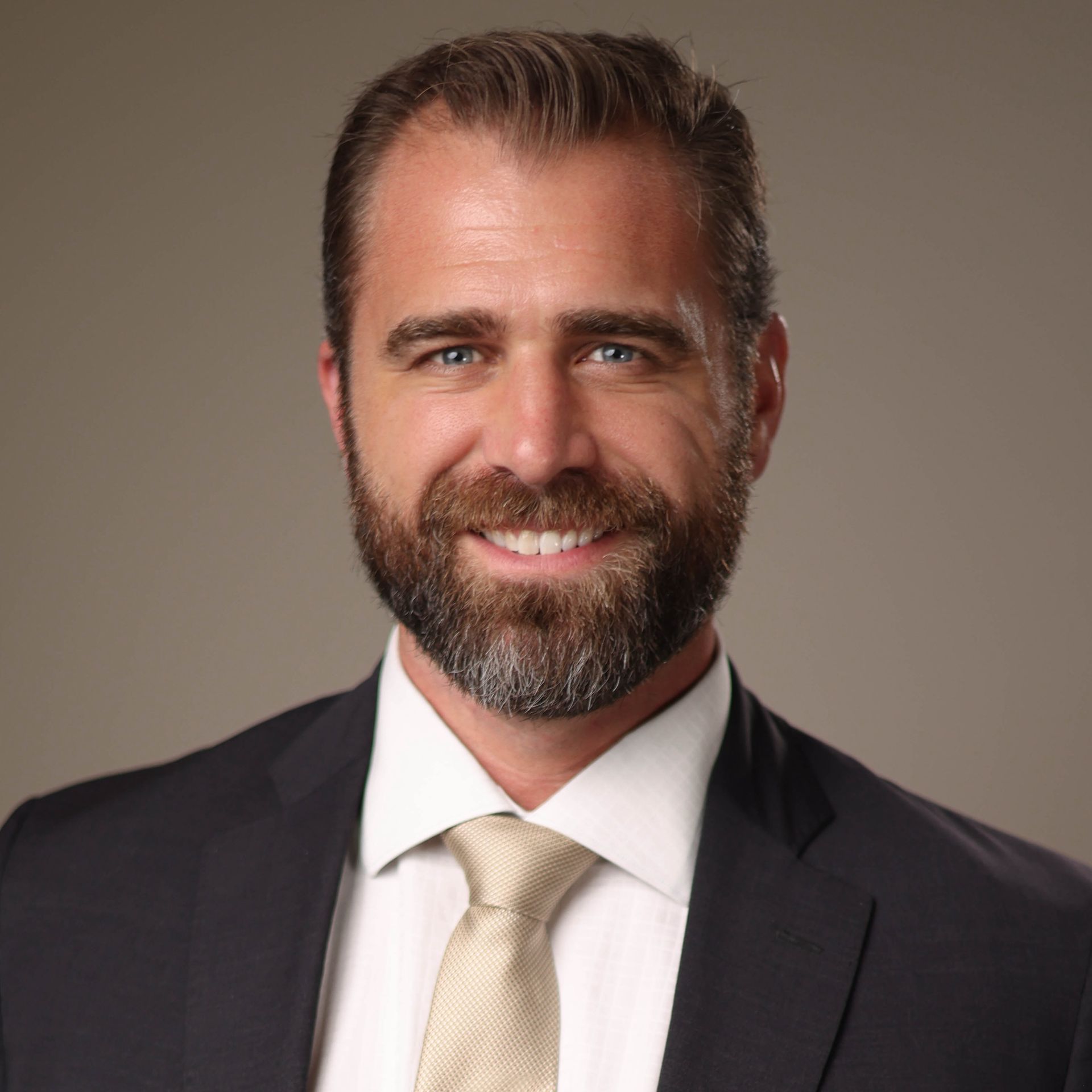
Dr. Chris Slininger, DC, DCCJP
Craniocervical Specialist
Dr. Slininger focuses heavily on complex neurological conditions and advanced spinal challenges such as headaches, migraines, dizziness, vertigo, concussion, mTBI and more.
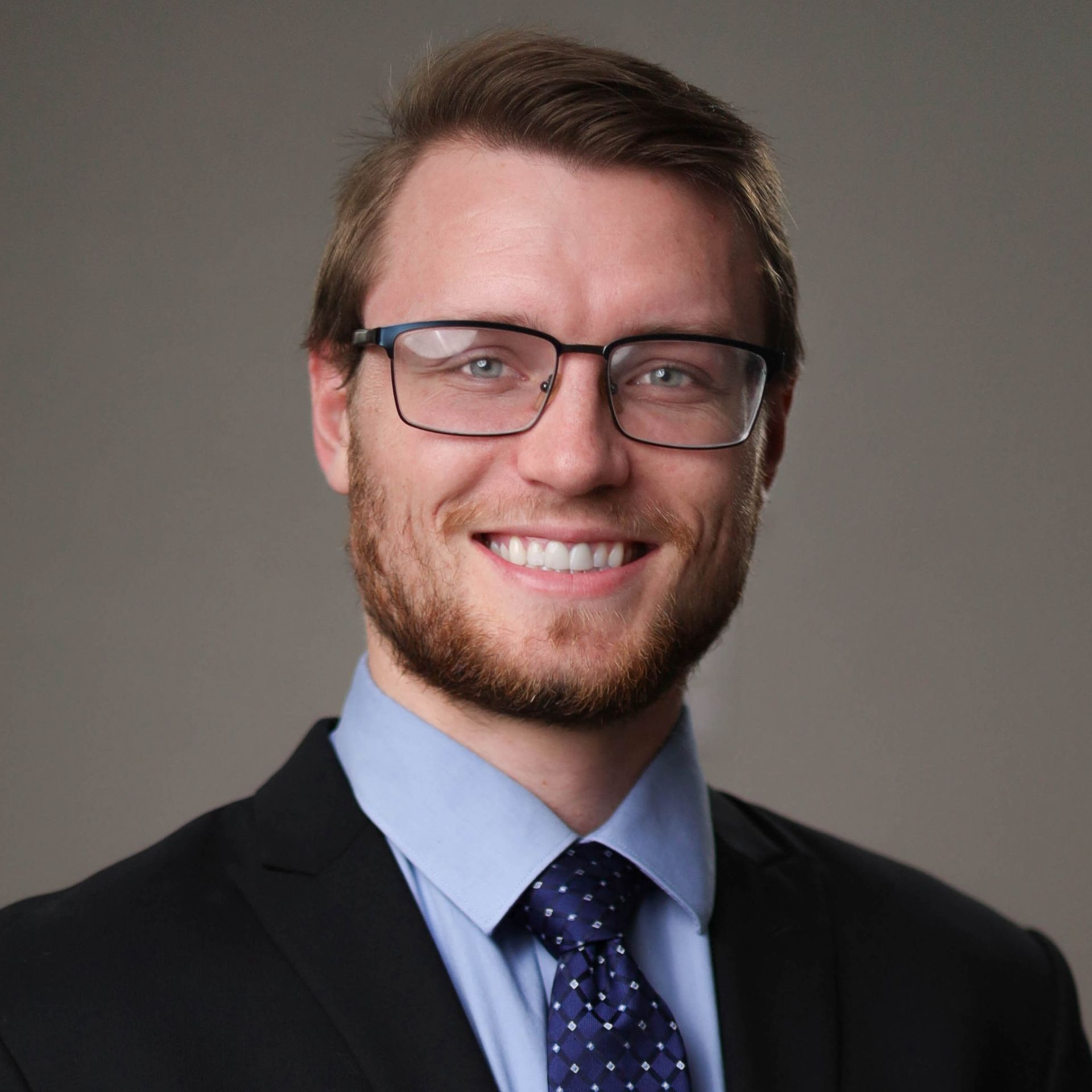
Dr. Ethan Surprenant, DC
Upper Cervical Chiropractor
Dr. Surprenant specializes in innovative, non-invasive Upper Cervical Chiropractic Care, uniquely addressing complex neurological conditions like dysautonomia, migraines, headaches, cranio-cervical syndrome, to restore lasting neurological health.
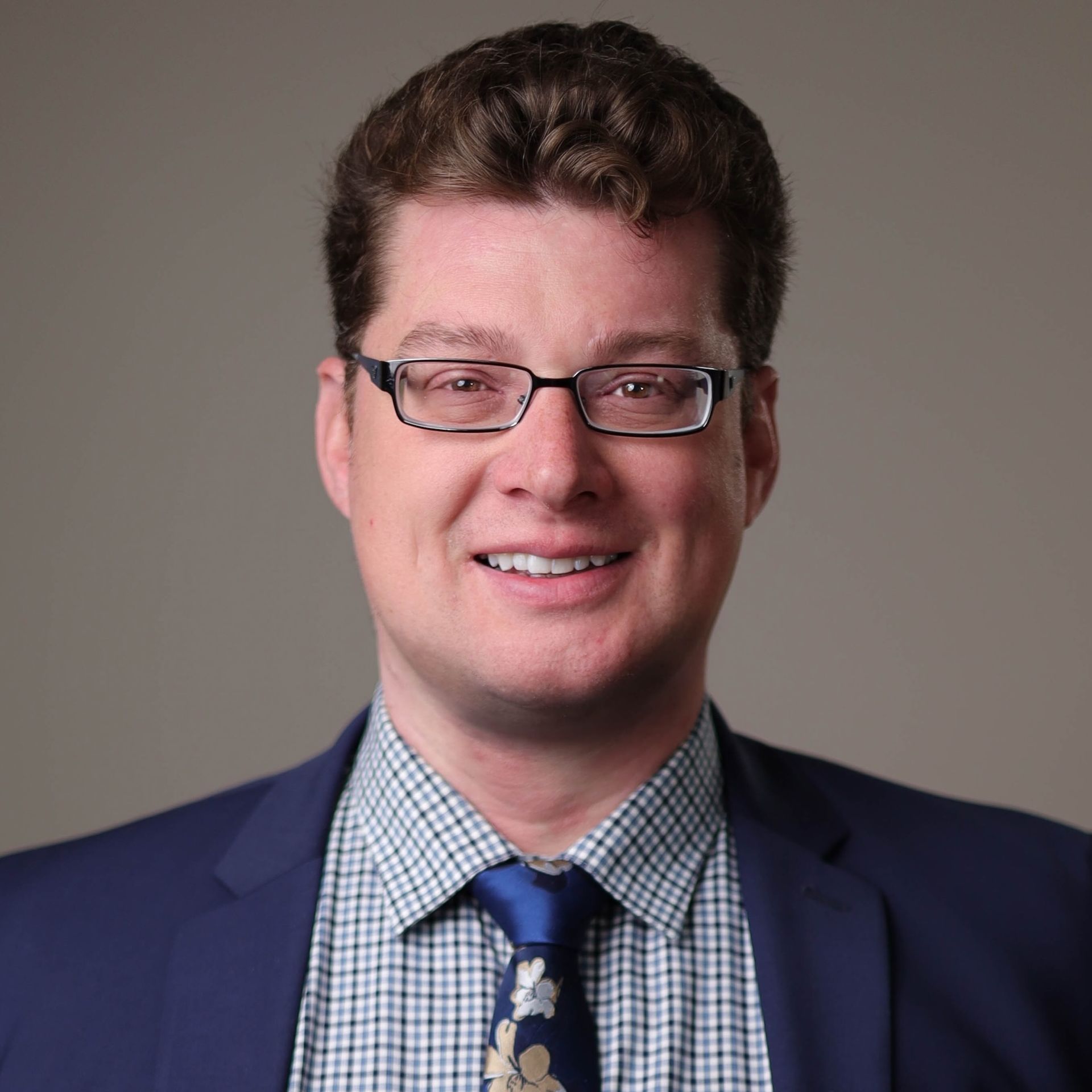
Dr. Devin Perdue, DC
Upper Cervical Chiropractor
Dr. Perdue is a seasoned Upper Cervical Chiropractor with advanced training in Functional Neurology, specializing in root-cause care for migraines, headaches, dizziness, vertigo, brain fog, POTS, and trigeminal neuralgia through precise, non-invasive correction.
